A new development in high-temperature sensor protection is gaining attention in industrial sectors. Boron nitride ceramic tubes are now being used to shield sensors in harsh hydrogen-rich environments. These tubes offer strong performance where traditional materials fail.
(Boron Nitride Ceramic Tubes for Protective Tubes for Sensors in High Temperature Hydrogen Environments)
Boron nitride stands out because it resists chemical reactions even at extreme temperatures. It stays stable in hydrogen atmospheres up to 1,000 degrees Celsius. This makes it ideal for use in furnaces, reactors, and other high-heat applications. Sensors protected by these tubes last longer and deliver more reliable data.
The material also has excellent electrical insulation properties. It does not conduct electricity, which helps prevent signal interference. Its smooth surface reduces the chance of contamination or buildup during operation. These features are critical in industries like semiconductor manufacturing and aerospace testing.
Manufacturers report fewer maintenance issues since switching to boron nitride tubes. The ceramic does not crack or degrade quickly under thermal stress. It also handles rapid temperature changes without damage. This reliability cuts downtime and improves safety in sensitive operations.
Demand for these protective tubes is rising as companies seek better ways to monitor conditions in aggressive environments. Boron nitride provides a solution that meets strict performance standards without adding complexity. Engineers appreciate its ease of integration into existing systems.
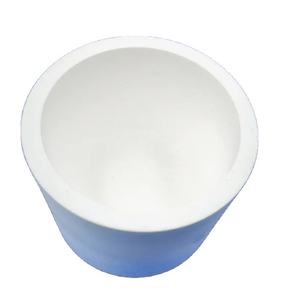
(Boron Nitride Ceramic Tubes for Protective Tubes for Sensors in High Temperature Hydrogen Environments)
Production of boron nitride ceramic tubes has scaled up to meet growing orders. Suppliers are working closely with clients to customize dimensions and tolerances. This flexibility supports a wide range of sensor types and installation needs. The tubes are now available in standard and bespoke formats for global markets.