A new high-temperature solution for structural monitoring has emerged with the use of boron nitride ceramic tubes as sleeves for fiber optic sensors. These tubes offer strong performance in extreme heat, making them ideal for demanding industrial environments.
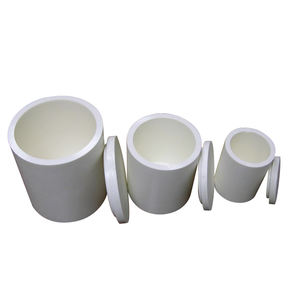
(Boron Nitride Ceramic Tubes for Sleeves for High Temperature Fiber Optic Sensors for Structural Monitoring)
Boron nitride ceramic stands out because it stays stable at very high temperatures. It also resists thermal shock and does not conduct electricity. These traits help protect delicate fiber optic sensors during long-term use in harsh settings.
Engineers working on infrastructure projects, such as bridges, power plants, and aerospace systems, need reliable ways to monitor structural health. Fiber optic sensors provide real-time data on strain, temperature, and deformation. But without proper protection, these sensors can fail under intense heat or mechanical stress. The boron nitride sleeve acts as a shield, keeping the sensor safe while allowing accurate readings.
The material is lightweight and easy to shape into precise tube forms. This makes installation simple and reduces added weight to the structure being monitored. Its smooth surface also minimizes signal loss in the optical fibers.
Recent field tests show that sensors wrapped in boron nitride ceramic tubes maintain accuracy even after weeks of exposure to temperatures above 1000°C. This durability opens new possibilities for monitoring in areas once considered too extreme for standard sensing technology.
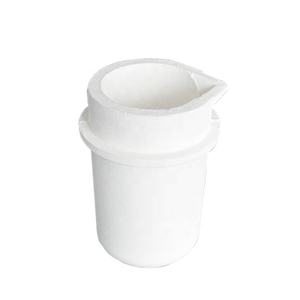
(Boron Nitride Ceramic Tubes for Sleeves for High Temperature Fiber Optic Sensors for Structural Monitoring)
Manufacturers are now scaling up production to meet growing demand from energy, transportation, and defense sectors. The tubes are being integrated into next-generation monitoring systems designed for safety-critical applications where failure is not an option.