Samsung announced a big step forward in mobile technology today. The company revealed a major breakthrough in photonic computing for smartphones and other devices. This new tech uses light instead of electricity to process information.
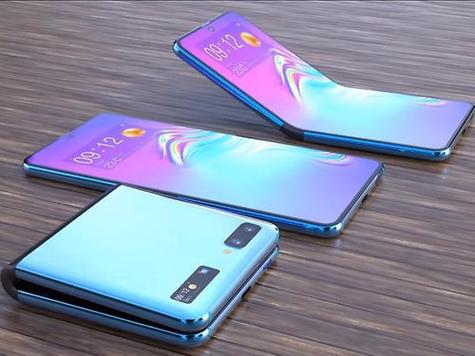
(Samsung’s Breakthrough in Photonic Computing for Mobile Devices)
Photonic computing promises much faster speeds. It also uses much less power than current methods. This is crucial for future mobile devices. Faster processing means better performance for apps, games, and complex tasks. Lower power consumption means much longer battery life. Users could see devices lasting days on a single charge.
Samsung engineers developed a new, ultra-small photonic processor chip. This chip is designed specifically for mobile applications. It is small enough to fit inside future smartphones. The chip successfully handled complex computing tasks in lab tests. These tasks were performed significantly faster than with traditional chips. Energy use was dramatically reduced during these operations.
This breakthrough solves a key problem. Making photonic components small and efficient enough for phones was difficult before. Samsung found a way to integrate these components effectively. They achieved this using advanced materials science and chip design techniques. The company believes this puts them ahead in the race for next-generation mobile processors.

(Samsung’s Breakthrough in Photonic Computing for Mobile Devices)
The technology is still in the development phase. Samsung is actively working to refine the design. They aim to make the chips ready for mass production soon. Industry experts see this as a potential game-changer. It could redefine what mobile devices are capable of doing. Consumers might see the first phones with this technology within a few years. Samsung holds several key patents related to this innovation. They are committed to leading the future of mobile computing.